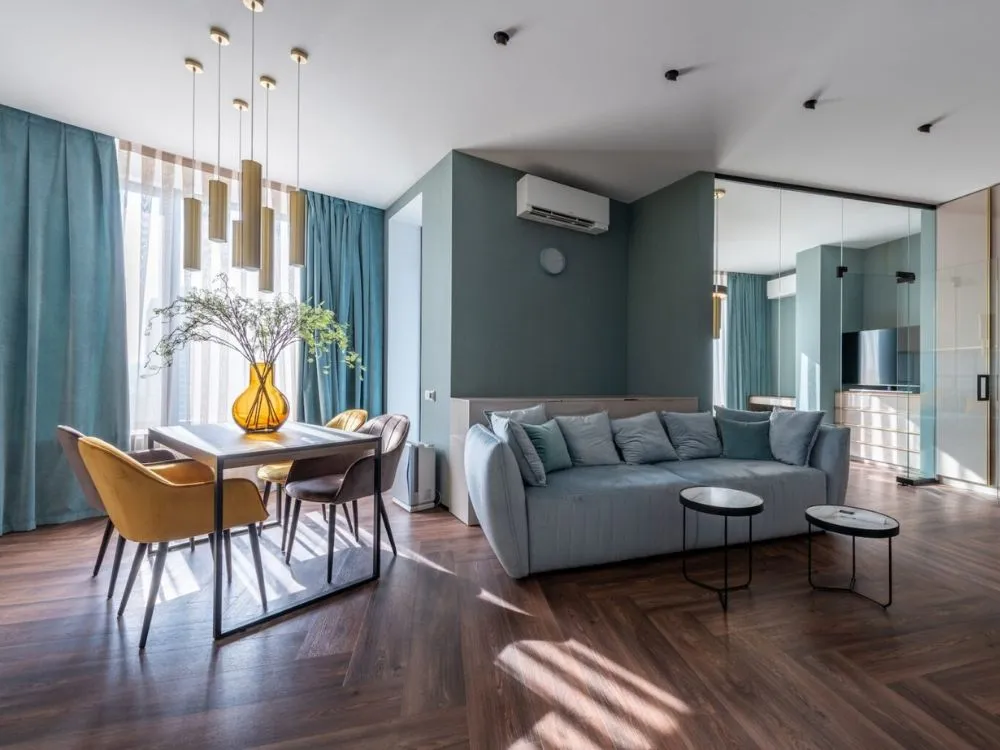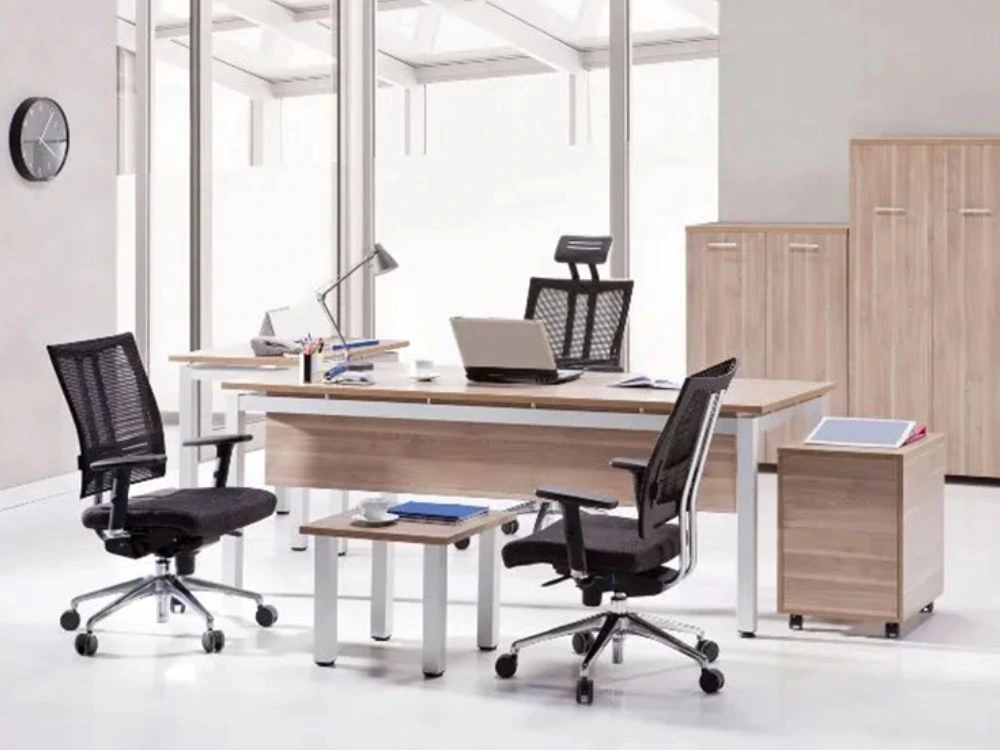
Modern office space has dramatically evolved in the last few years and nowadays; we all work from home- office hybrids where employees balance working at a commercial workspace and from the comfort of their home. Changing working arrangements are consequently reshaping how companies approach the office space planning and investments they made into the corporate workspace.
Similarly to how corporate and customer spending has been adjusted; hybrid working approaches are encouraging consumer buying habits. Companies invest in flexible, modular workstations for flexible working, ergonomic seating solutions, collaborative meeting spaces, and adapt their office space plan accordingly while workers in remote teams focus on upgrading their desks and chairs at home with smart furniture.
At Expert Market Research analysis, “The global furniture market size was valued at USD 692.71 billion in 2025 and expected to reach approximately USD 1,117.65 billion by 2035, at a CAGR of about 4.90% in 2026-2035″. This includes growth driven by further hybridization of workspace models, demand for ergonomic design, and continue focus on the expansion of the modern corporate office.
Understanding the Rise of Hybrid Work
Hybrid work blends the benefits of both in-office and remote work. Some of the biggest motivators driving organizations to adapt this model include increased employee satisfaction, attraction of top talent and, of course, a decrease in business expenses while still maximizing productivity.
Rather than the traditional style of having assigned desk spaces for all employees, hybrid workplaces will require spaces with flexible and comfortable seating options, collaborative rooms and technological spaces for meetings. Because of the new layout for businesses in general office space furniture has begun to become crucial for businesses looking to build a productive space.
Growing Demand for Ergonomic Office Furniture
Ergonomic Workspace – The Ergonomic furniture has become essential because organizations implementing hybrid work setups are now paying increasing attention to the health and comfort of their employees. Since employees were working long hours, at the office or at home, posture and related issues increased, this led companies and employees alike buying ergonomic furniture.
Ergonomic chairs, standing or height adjustable desks, monitor stands, keyboard and footrest have become more popular and crucial element of workspaces to help the workers with fatigue and discomfort and to create healthier workspaces and improving productivity. Employers providing these help a long way to fulfil employees’ wellness as and create healthy and positive work environment.
Home Office Furniture Is Experiencing Strong Growth
Remote work is fuelling the growth of home office furniture products a lot of people started out working from their dining tables or makeshift office spaces at home as the work-from-home phenomenon took off. Now, as consumers become adjusted to the working from home lifestyle, many see the need to buy office chairs, desks, storage pieces, lamps, and related products.
Furniture makers recognize the growing consumer demand for compact, functional furniture for small living spaces, so many offer their versions of portable and foldable office desks, storage compartments, modular shelves, and so on. The new segment opens new sources of income for furniture suppliers besides the commercial segment.
Flexible Office Designs Are Reshaping Furniture Demand
Hybrid work has altered the meaning of an office space. Once meant to be a place your employees spent each one of their workdays, offices are now more than just spaces to park, many now double as an office for team meetings, collaborative brainstorming, client pitches, or company retreats and team bonding. Modular and movable furniture has come along to allow businesses to get the most out of spaces, making offices the “go-to” for everything outside of the home.
Businesses are opting for adaptable desks, movable walls, cluster seating and multi-function desks which all work to create customizable space on the fly as needed. Flexible furniture solutions are also smart if the workplace has an uneven and irregular presence among employees, so no one will be confined to a specific location when it’s not needed, saving you money on space!
Technology Integration Is Enhancing Modern Workspaces
Digitalization is integral in modern office design Workstation manufacturers are adapting by integrating charging ports, wireless charging units, smart cable management and powered surfaces. Our meeting tables integrate video conference compatible solutions to assist in bridging the gap between the hybrid workforces. Smart office furniture with occupational sensors and customized adjustment settings can support an optimized workplace and improved employee comfort.
Sustainability Is Influencing Furniture Purchasing Decisions
Office furniture and the trend towards sustainability. In recent years, sustainability has been increasing regarded as a key factor in the purchasing of office furniture, particularly by commercial consumers. Companies are seeking to source recycled furniture, locally sourced and certified wood and employ manufacturers utilizing efficient, clean processes and manufacturing techniques.
In parallel, commercial purchasers are placing emphasis upon products with a high degree of durability and lifecycle, which minimises waste. Many manufacturers are also responding in kind by launching “green” office furniture and office seating ranges and by adopting waste management and sustainable manufacturing processes. Environmental benefits, but also important branding in the market today.
Customization Is Becoming More Important
Workplaces are extremely diverse – no matter if we are talking about size, industry, work culture or any kind of the business. Since most of workplaces nowadays have many individual, special needs, the companies are looking to tailor-made furniture that corresponds to these specific needs and to their brands and way of work.
That is the main reason, why furniture production nowadays brings many adjustable office layouts, specialized storage systems and modular collections of pieces which enable each company to configure the space on their own – according to workplace availability as well as individual and employees’ tastes and workplace possibilities.
E-Commerce Is Expanding Furniture Sales
Online selling has reshaped the way people bought office furniture. Now many buyers are shopping for office furniture as well as some other kind products Online sales and online shopping has changed the way they look at buying. Now people can easily compare different products from several companies, check and compare the specifications of the products, look at the customer comments and make the order sitting in front of their computer, desktops, laptops, pads.
The online companies will guide you by having design service like virtual tour, Augmented reality room visualizing, design assistance and online design help. This online market has many different features and makes it so easier both for office use as and house us.
Challenges Facing the Office Furniture Market
Despite growth prospects, the office furniture industry continues to face several challenges.
Changing Workplace Requirements
Hybrid work models are still developing, complicating expectations for manufacturing businesses who need to be prepared to meet the unknown demands of office environments, and office furniture needs.
Rising Raw Material Costs
Higher cost wood, steel, plastics and shipping are increasing manufacturing costs and profit margins.
Supply Chain Disruptions
Disruption to supply chains can delay the manufacturing and delivery of your goods, causing dissatisfaction and problems with stock control.
Intense Market Competition
Intensified competition among the rising number of manufacturers and retailers online has prompted to develop a distinct advantage. Firms continue to improve service to customers in line with product design, quality and innovation.
Future Trends in the Office Furniture Market
Innovation, flexibility and sustainability will drive the office furniture market. Improvements to furniture functionality via customized settings and space optimization are anticipated. AI and smart workplace technology will come into play in the office space, with features such as height-adjustable desks with memory settings and seats that contain sensors possibly becoming more common, along with AI-powered office planning software.
The growing demand for modular furniture will continue. With businesses wanting their space to evolve with the employees’ needs, the demand for flexible workplace furniture will not slow down.
With employees gradually returning to their physical workstations, the home office market is expected to remain a very positive segment, largely driven by the widespread implementation of hybrid work as a long-term strategy by most organizations.
Manufacturers will thrive in this market by adopting design features, sustainable material sourcing and technological advancement.
Conclusion
The rise of hybrid work has transformed business and employee attitudes toward workspace design. Instead of fixed layouts, companies are investing in flexible furniture solutions that optimize workplace function and employee experience. Remote workers are also influencing demand for well-designed home office furniture.
“This continuing growth signifies how both the increase in flexible arrangements-and how that has reshaped workforce desires and their investment in furniture-are altering our expectations around space. Given the industry-wide adjustment toward changing ways of working, the workplace furniture market will remain an attractive destination. Businesses with furniture that addresses both ergonomic needs, environmentally friendly processes, digitally enhanced features and adaptable offerings will capitalize.”
Author Bio
George Buttler is a business and market research content writer at Expert Market Research, specializing in emerging technologies, digital transformation, and global industry trends. He creates informative and research-focused content related to artificial intelligence, technology markets, and business innovation.