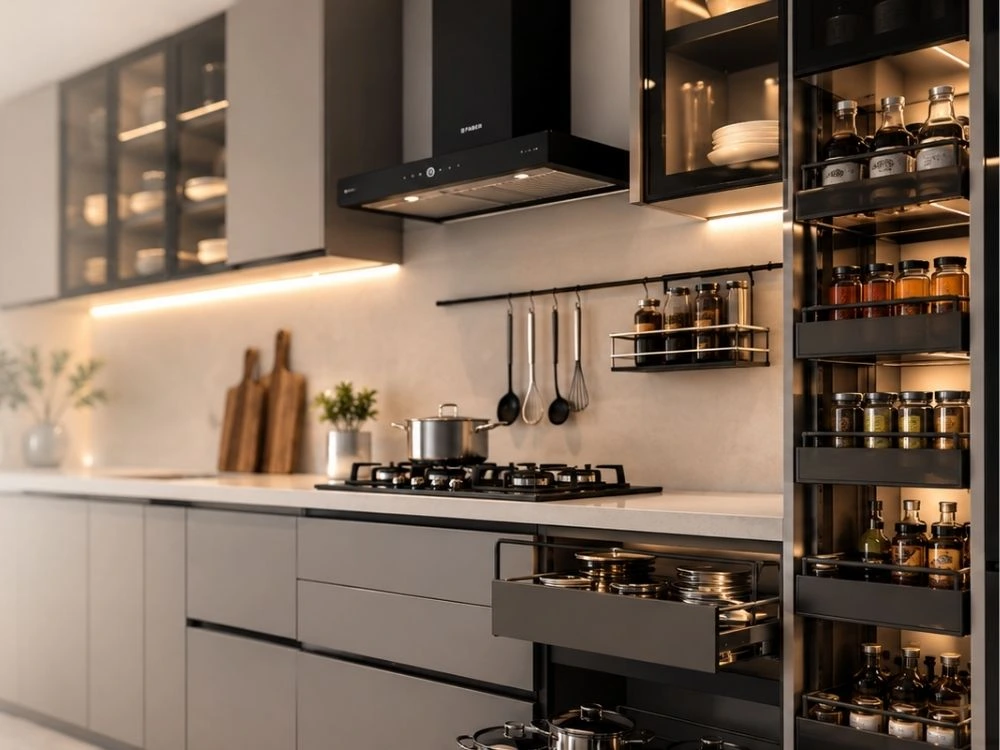
Saving electricity at home is important. It helps reduce your monthly utility bills and supports a more eco-friendly lifestyle. The kitchen and bathroom are two areas in your home where energy use is typically high.
That’s because many essential appliances run daily – including your dishwasher, microwave oven, water heater, and geyser. The good news is that with a few simple changes and smart habits, you can reduce energy consumption without losing comfort or convenience.
This guide offers practical tips on how to use kitchen and bathroom appliances like cooktops, built-in hobs, kitchen chimneys, and more in a smarter, more energy-efficient way.
Why Focus on Kitchen and Bathroom Appliances?
Many appliances in your kitchen and bathroom run regularly and use more electricity than you might expect. For example, your gas range stove or electric cooktop may be in use every day, while your geyser might be running for hours to heat water. Even appliances like your dishwasher or kitchen chimney, if not used efficiently, can waste a surprising amount of electricity.
Being mindful about how and when you use these appliances can result in noticeable savings over time.
How to Save Electricity in Your Kitchen
1. Use Energy-Efficient Appliances
When it’s time to buy a new appliance, choose energy-efficient models. Look for products with the ENERGY STAR label or other energy certifications. Whether it’s your microwave oven, dishwasher, or refrigerator, modern energy-saving models consume less electricity while delivering excellent performance.
2. Maintain Your Refrigerator and Freezer
Your refrigerator runs 24/7, making it one of the largest electricity users in your kitchen. Clean the coils regularly, check the door seals for any leaks, and avoid placing hot food inside immediately. These small actions can keep your fridge running efficiently.
3. Cook Smartly with the Right Appliances
Use your microwave oven for small meals instead of the oven or stovetop—it uses less energy and heats food faster. When using cooktops, especially electric ones, match the pan size to the burner to avoid energy loss. If you have built-in hobs or a gas range stove, ensure the burners are clean to allow for even heat and efficient cooking.
4. Use Dishwashers Efficiently
Your dishwasher can save energy compared to handwashing—if you use it wisely. Run it only when full and choose eco-mode or energy-saving cycles. Let dishes air dry instead of using the heat dry feature.
5. Switch to LED Lighting
Replace incandescent bulbs with LED lights. In the kitchen, this is especially useful over kitchen sinks, counters, and cooking areas.
6. Turn Off and Unplug Small Appliances
Appliances like blenders, toasters, and coffee makers can draw power even when turned off. Unplug them when not in use or connect them to a smart power strip you can easily switch off.
7. Use Kitchen Chimneys Efficiently
Kitchen chimneys help keep your kitchen clean by removing smoke and grease, but they also use electricity. Clean the filters regularly and switch off the chimney as soon as it’s done ventilating. Choose energy-efficient chimney models if you’re considering an upgrade.
How to Save Electricity in Your Bathroom
1. Upgrade Your Geyser or Water Heater
Heating water uses a lot of energy. If you’re using an older geyser or water heater, consider switching to a newer energy-efficient model or a tankless water heater that heats water on demand. This upgrade alone can significantly reduce your electricity use.
2. Use Low-Flow Fixtures
This lowers both your water and electricity bills, as your geyser or water heater won’t need to work as hard.
3. Unplug Electric Devices
Devices like electric razors, toothbrushes, and hairdryers often remain plugged in even when not in use. This leads to phantom power loss. Unplug them after use to avoid unnecessary electricity usage.
4. Limit Use of Bathroom Heaters and Towel Warmers
While they add comfort, bathroom heaters and electric towel warmers can consume a lot of electricity. Use them only when needed and install a timer or thermostat to avoid overuse.
Final Thoughts
Using your kitchen and bathroom appliances wisely can lead to meaningful electricity savings over time. From managing your geyser, water heater, and dishwasher, to cooking smarter with your cooktops, built-in hobs, or gas range stove, every step counts. Even maintaining your kitchen sinks or using your kitchen chimney more efficiently plays a role.
Small actions like unplugging devices, choosing LED lighting, and running full loads in the dishwasher can make a big difference. With a few simple adjustments, you can lower your electricity bills and reduce your home’s carbon footprint—all without giving up modern convenience.